Roofing represents one of the most vital structural components of any property, as it protects interiors from weather, regulates energy efficiency, and contributes to curb appeal. Experienced roofers consistently emphasize that roofing systems operate as integrated structures rather than isolated surfaces. Materials, ventilation, underlayments, and drainage mechanisms all influence the durability and performance of the roof over time. With thoughtful planning and expert guidance, homeowners can minimize repair costs, extend lifespan, and improve home value. The insights below highlight what seasoned roofers recommend for maintaining a strong, efficient, and future-ready roofing system. In recent years, growing interest in energy efficiency and structural sustainability has pushed roofing further into mainstream conversations about home improvement priorities.
Selecting Durable Materials
Choosing the correct roofing material may seem straightforward, yet many homeowners underestimate how significantly material selection affects performance. Asphalt shingles remain common in residential neighborhoods, favored for affordability, moderate durability, and ease of installation. Metal roofing continues to gain momentum for its weather resistance, extended lifespan, and reflective energy benefits. Tile and slate options offer remarkable longevity and elegant aesthetics, though structural reinforcement may be required due to heavier weight loads.
Beyond appearance, experienced roofers note that thermal performance plays a major role in day-to-day comfort. Dark asphalt shingles may absorb heat in warmer climates, increasing cooling loads, while lighter or reflective surfaces can aid energy efficiency. Tile and slate roofs excel in thermal regulation because their mass slows heat transfer. No single material universally outperforms the rest; the best choice hinges on the region's weather patterns, architecture, and property goals.
Underlayment selection is another vital component tied to material performance. Synthetics often outperform felt underlayments in water resistance, strength, and durability, especially in humid or storm-prone climates. In parallel, the construction industry continues to expand rapidly, which influences product availability and innovation. According to Auto Desk, global spending in construction is expected to reach $15.7 trillion in 2025, underscoring the increasing demand for durable materials and resilient building strategies. Homeowners benefit by consulting roofers to match materials with climate, longevity expectations, and budget considerations.
Choosing the correct roofing material may seem straightforward, yet many homeowners underestimate how significantly material selection affects performance. Asphalt shingles remain common in residential neighborhoods, favored for affordability, moderate durability, and ease of installation. Metal roofing continues to gain momentum for its weather resistance, extended lifespan, and reflective energy benefits. Tile and slate options offer remarkable longevity and elegant aesthetics, though structural reinforcement may be required due to heavier weight loads.
Beyond appearance, experienced roofers note that thermal performance plays a major role in day-to-day comfort. Dark asphalt shingles may absorb heat in warmer climates, increasing cooling loads, while lighter or reflective surfaces can aid energy efficiency. Tile and slate roofs excel in thermal regulation because their mass slows heat transfer. No single material universally outperforms the rest; the best choice hinges on the region's weather patterns, architecture, and property goals.
Underlayment selection is another vital component tied to material performance. Synthetics often outperform felt underlayments in water resistance, strength, and durability, especially in humid or storm-prone climates. In parallel, the construction industry continues to expand rapidly, which influences product availability and innovation. According to Auto Desk, global spending in construction is expected to reach $15.7 trillion in 2025, underscoring the increasing demand for durable materials and resilient building strategies. Homeowners benefit by consulting roofers to match materials with climate, longevity expectations, and budget considerations.
Inspecting Vulnerable Areas
Routine inspections remain one of the most effective preventive measures for preserving roofing integrity. Seasoned roofers typically recommend scheduling evaluations twice per year, once after winter and once after summer, to identify wear caused by thermal fluctuations. Beyond surface-level shingles, inspections must include flashing, eaves, valleys, ventilation openings, and attic structures. Structural anomalies such as sagging surfaces, water stains, and loose fasteners can indicate early deterioration that may escalate without prompt intervention.
Leaks represent a common roofing challenge, often originating around chimneys, skylights, or improperly sealed flashing. Roofers highlight that locating leaks may require tracing moisture pathways across insulation, joists, or attic decking. Addressing these issues early prevents mold development, rot, and costly interior repairs. Homes surrounded by vegetation require extra attention, as debris accumulation can trap moisture and accelerate surface decay.
Modern inspection methods continue to expand as technology advances. Drone imaging, thermal scanning, and moisture mapping provide supplemental data for roofers assessing hidden structural issues. For homeowners, maintaining documentation from each inspection offers a long-term perspective on condition patterns and budget planning. By establishing systematic monitoring routines, property owners reduce emergency repair risk and extend overall roof lifespan.
Routine inspections remain one of the most effective preventive measures for preserving roofing integrity. Seasoned roofers typically recommend scheduling evaluations twice per year, once after winter and once after summer, to identify wear caused by thermal fluctuations. Beyond surface-level shingles, inspections must include flashing, eaves, valleys, ventilation openings, and attic structures. Structural anomalies such as sagging surfaces, water stains, and loose fasteners can indicate early deterioration that may escalate without prompt intervention.
Leaks represent a common roofing challenge, often originating around chimneys, skylights, or improperly sealed flashing. Roofers highlight that locating leaks may require tracing moisture pathways across insulation, joists, or attic decking. Addressing these issues early prevents mold development, rot, and costly interior repairs. Homes surrounded by vegetation require extra attention, as debris accumulation can trap moisture and accelerate surface decay.
Modern inspection methods continue to expand as technology advances. Drone imaging, thermal scanning, and moisture mapping provide supplemental data for roofers assessing hidden structural issues. For homeowners, maintaining documentation from each inspection offers a long-term perspective on condition patterns and budget planning. By establishing systematic monitoring routines, property owners reduce emergency repair risk and extend overall roof lifespan.
Managing Water and Ventilation
Water control is essential to roofing performance, as moisture infiltration often triggers the most serious forms of damage. Functional gutters, downspouts, flashing systems, and drainage slopes direct water safely away from vulnerable components. When debris clogs gutters, overflow may penetrate fascia boards, siding, or foundations, leading to structural rot and interior water staining. Regular gutter cleaning, especially in treed neighborhoods, helps maintain unobstructed drainage and prevents heavy ice buildup in winter regions.
Ventilation acts as the second pillar in moisture management. Without proper airflow, attic heat and humidity accumulate, causing condensation against cooler roof surfaces. Over time, condensation accelerates corrosion, compromises insulation efficiency, and can warp wooden framing. Balanced ventilation systems integrate soffit vents, ridge vents, or attic fans to maintain consistent airflow. Roofers stress that ventilation improvements often reduce utility expenses by stabilizing attic temperatures during peak seasons.
Moisture issues invite mold and mildew growth if ignored. Mold spores spread rapidly in humid roof cavities and may infiltrate living spaces, contributing to poor indoor air quality. Homeowners who suspect moisture problems, such as damp insulation or persistent attic odors, should seek evaluations from professional roofers to determine whether the root cause lies in ventilation, drainage, or insulation deficiencies. Preventive water and airflow strategies serve as foundational components of resilient roofing design.
Water control is essential to roofing performance, as moisture infiltration often triggers the most serious forms of damage. Functional gutters, downspouts, flashing systems, and drainage slopes direct water safely away from vulnerable components. When debris clogs gutters, overflow may penetrate fascia boards, siding, or foundations, leading to structural rot and interior water staining. Regular gutter cleaning, especially in treed neighborhoods, helps maintain unobstructed drainage and prevents heavy ice buildup in winter regions.
Ventilation acts as the second pillar in moisture management. Without proper airflow, attic heat and humidity accumulate, causing condensation against cooler roof surfaces. Over time, condensation accelerates corrosion, compromises insulation efficiency, and can warp wooden framing. Balanced ventilation systems integrate soffit vents, ridge vents, or attic fans to maintain consistent airflow. Roofers stress that ventilation improvements often reduce utility expenses by stabilizing attic temperatures during peak seasons.
Moisture issues invite mold and mildew growth if ignored. Mold spores spread rapidly in humid roof cavities and may infiltrate living spaces, contributing to poor indoor air quality. Homeowners who suspect moisture problems, such as damp insulation or persistent attic odors, should seek evaluations from professional roofers to determine whether the root cause lies in ventilation, drainage, or insulation deficiencies. Preventive water and airflow strategies serve as foundational components of resilient roofing design.
Budgeting for Necessary Maintenance
Roofing longevity greatly benefits from proactive budgeting strategies that anticipate recurring repairs and seasonal maintenance. Many property owners mistakenly view roofing as a one-time installation rather than a long-term system requiring ongoing oversight. Professional roofers commonly recommend allocating funds annually for inspections, small repairs, sealant replacements, gutter cleaning, and contingency needs. These predictable investments avert major financial strain by reducing the likelihood of emergency failures.
Weather fluctuations, storm events, and aging materials all influence maintenance timelines. In coastal regions, corrosion and salt exposure accelerate material deterioration. In snow regions, thermal cycling may damage shingles, flashing, and underlayment due to freeze-thaw expansion. Understanding regional stressors allows homeowners to align budgeting strategies with realistic service expectations. Even modest upkeep efforts can prolong service life significantly.
Replacing roofing materials entirely represents one of the largest property-related expenses, yet delaying necessary replacement often leads to secondary damage far exceeding installation costs. Roofers frequently assist homeowners with planning horizons by estimating remaining service life and identifying when upgrades become financially advantageous. Budgeting with foresight also enables property owners to explore higher-quality materials, improved ventilation, or energy-efficient options when replacement becomes unavoidable.
Roofing longevity greatly benefits from proactive budgeting strategies that anticipate recurring repairs and seasonal maintenance. Many property owners mistakenly view roofing as a one-time installation rather than a long-term system requiring ongoing oversight. Professional roofers commonly recommend allocating funds annually for inspections, small repairs, sealant replacements, gutter cleaning, and contingency needs. These predictable investments avert major financial strain by reducing the likelihood of emergency failures.
Weather fluctuations, storm events, and aging materials all influence maintenance timelines. In coastal regions, corrosion and salt exposure accelerate material deterioration. In snow regions, thermal cycling may damage shingles, flashing, and underlayment due to freeze-thaw expansion. Understanding regional stressors allows homeowners to align budgeting strategies with realistic service expectations. Even modest upkeep efforts can prolong service life significantly.
Replacing roofing materials entirely represents one of the largest property-related expenses, yet delaying necessary replacement often leads to secondary damage far exceeding installation costs. Roofers frequently assist homeowners with planning horizons by estimating remaining service life and identifying when upgrades become financially advantageous. Budgeting with foresight also enables property owners to explore higher-quality materials, improved ventilation, or energy-efficient options when replacement becomes unavoidable.
Hiring Skilled Professionals
A well-installed roofing system performs significantly better than one assembled with rushed craftsmanship or inferior techniques. Skilled roofers possess specialized knowledge of flashing methods, underlayment compatibility, weight loads, ventilation systems, and fastening procedures that influence long-term durability. Improper installation can void warranties, increase leak risk, and shorten the expected lifespan of materials.
Experience matters when evaluating contractors. Homeowners should compare qualifications, insurance coverage, customer reviews, and material expertise rather than accepting proposals based solely on price. Established roofers often offer workmanship warranties alongside manufacturer warranties, providing additional financial protection. Specialty installations, such as slate, metal, or tile, require seasoned teams familiar with weight considerations and fastening systems tailored to each product.
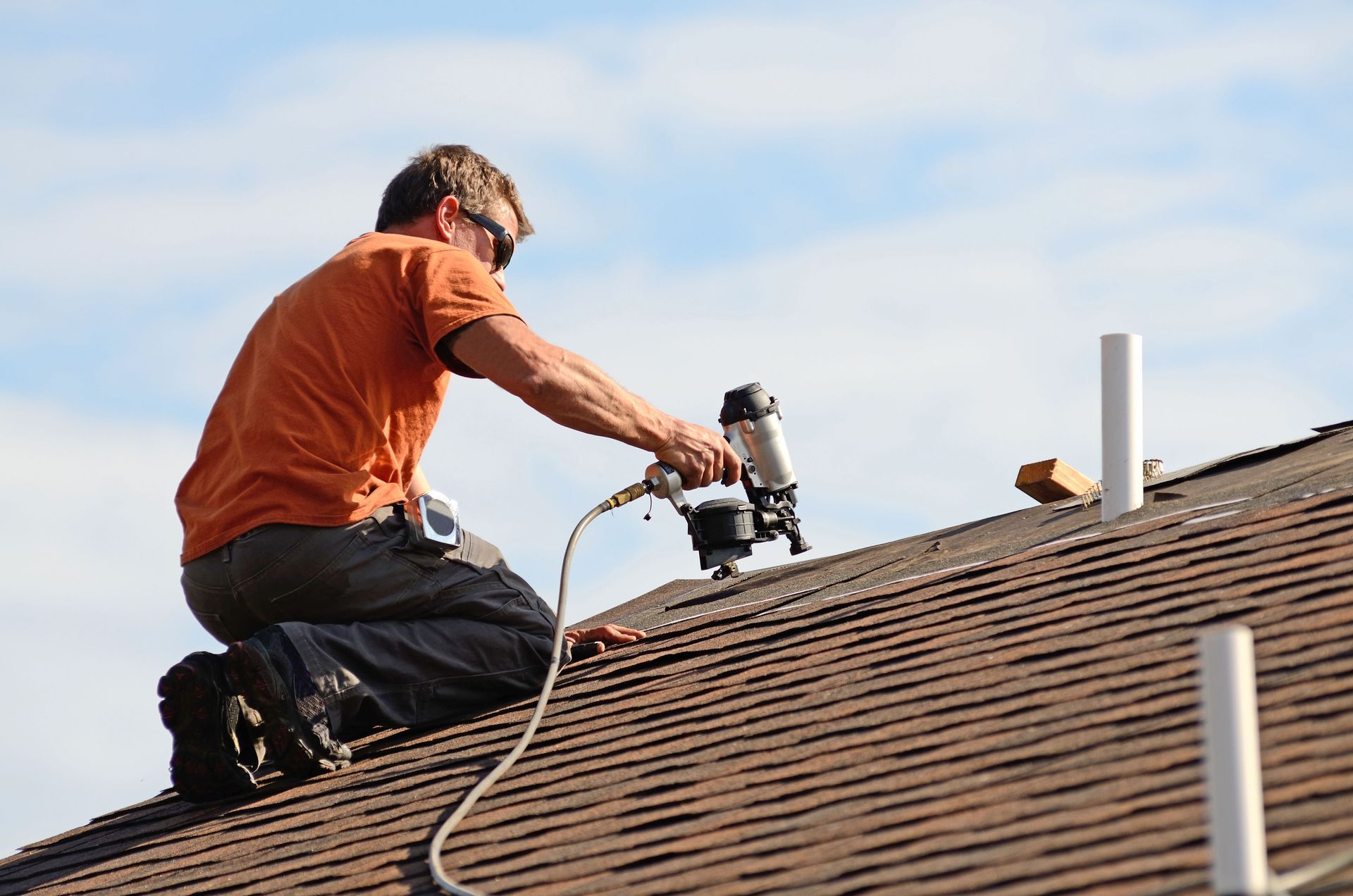
Safety also remains integral to roofing work. Professionals employ harnesses, stabilizers, and protective equipment that minimize risk during steep-slope installations or repairs. Homeowners attempting DIY roof projects encounter steep learning curves, material waste, and increased injury risk, making professional involvement the more practical and secure option for complex tasks. Hiring knowledgeable roofers ultimately ensures that roofing systems operate at peak performance while maintaining structural integrity and energy efficiency.
Roofing systems thrive when material selection, inspections, moisture control, planned maintenance, and professional installation harmonize into one cohesive strategy. Experienced roofers repeatedly stress that attentive stewardship saves money, prevents avoidable damage, and enhances long-term value. With guidance from skilled
roofers
and careful planning, homeowners can invest confidently in resilient roofing that protects both property and comfort for years ahead. For more information about the services that we offer, reach out to our incredible team at Allied Contracting Group & Garage Doors today!
A well-installed roofing system performs significantly better than one assembled with rushed craftsmanship or inferior techniques. Skilled roofers possess specialized knowledge of flashing methods, underlayment compatibility, weight loads, ventilation systems, and fastening procedures that influence long-term durability. Improper installation can void warranties, increase leak risk, and shorten the expected lifespan of materials.
Experience matters when evaluating contractors. Homeowners should compare qualifications, insurance coverage, customer reviews, and material expertise rather than accepting proposals based solely on price. Established roofers often offer workmanship warranties alongside manufacturer warranties, providing additional financial protection. Specialty installations, such as slate, metal, or tile, require seasoned teams familiar with weight considerations and fastening systems tailored to each product.
Safety also remains integral to roofing work. Professionals employ harnesses, stabilizers, and protective equipment that minimize risk during steep-slope installations or repairs. Homeowners attempting DIY roof projects encounter steep learning curves, material waste, and increased injury risk, making professional involvement the more practical and secure option for complex tasks. Hiring knowledgeable roofers ultimately ensures that roofing systems operate at peak performance while maintaining structural integrity and energy efficiency.
Roofing systems thrive when material selection, inspections, moisture control, planned maintenance, and professional installation harmonize into one cohesive strategy. Experienced roofers repeatedly stress that attentive stewardship saves money, prevents avoidable damage, and enhances long-term value. With guidance from skilled roofers and careful planning, homeowners can invest confidently in resilient roofing that protects both property and comfort for years ahead. For more information about the services that we offer, reach out to our incredible team at Allied Contracting Group & Garage Doors today!