October 23, 2026
Few things disrupt a winter morning like pressing the garage door opener and hearing a loud bang instead of the familiar hum of the door lifting. When a garage door spring breaks, the door may refuse to open, rise unevenly, or feel far too heavy to move. While springs can fail at any time of year, many homeowners notice that breakdowns seem to happen more often once temperatures drop. That isn't just bad luck. Cold weather places added stress on garage door springs and the components that work alongside them. Understanding why this happens can help you spot warning signs early, reduce the risk of a sudden failure, and know when it's time to call a professional.
Understanding How Garage Door Springs Work
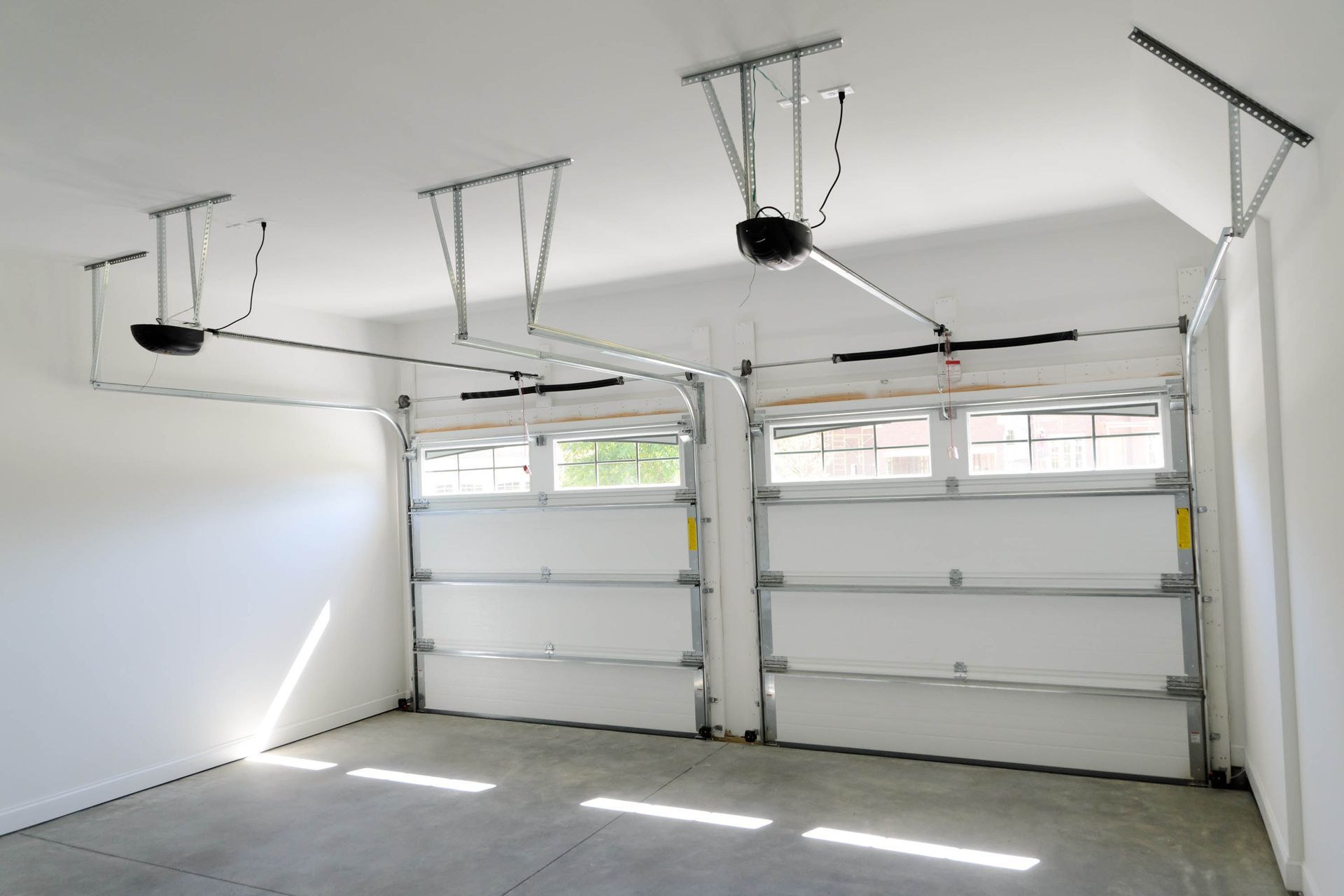
Garage door springs do the heavy lifting every time your door opens and closes. Most residential doors use either torsion springs, which are mounted on a metal shaft above the door, or extension springs, which run along the horizontal tracks on each side. These springs store energy when the door closes and release it as the door opens, counterbalancing the door's weight so the opener and the homeowner don't have to lift it alone. Because a typical door can weigh anywhere from about 100 to more than 300 pounds, springs are under constant tension. Each open-and-close cycle puts a small amount of wear on the steel, and every spring is rated for a limited number of cycles before it's likely to fail.
Recognizing How Cold Affects Steel
Garage door springs are made from tightly wound steel, and steel behaves differently as temperatures fall. In cold weather, metal contracts slightly and becomes less flexible. Springs that are already near the end of their lifespan may lose some of their ability to stretch and recoil smoothly. This added stiffness increases stress on the coils with every cycle. Over time, small cracks or weak points that formed during years of use can give way under that extra strain. That's why a spring that seemed fine in the fall may suddenly snap on a frigid morning. Our garage door company often sees a rise in spring replacement calls during the first stretch of truly cold weather each year.
Noticing How Lubrication Changes in Winter
Moving parts like rollers, hinges, bearings, and springs rely on lubrication to operate smoothly. In cold temperatures, lubricants can thicken or harden, creating more friction throughout the system. When parts don't move as freely, the springs and opener must work harder to raise the door. This extra resistance adds stress to springs that are already dealing with stiffer steel. Dirt and grime that build up in old lubricant can make the problem worse. Using a lubricant designed for garage doors and having the system serviced before winter helps reduce friction and keeps components moving smoothly in colder conditions.
Watching for Rust and Moisture Damage
Winter weather often brings snow, sleet, freezing rain, and fluctuating humidity. Moisture can find its way into the garage on vehicles, through gaps around the door, or from melting snow tracked inside. Over time, this moisture can cause rust to form on springs and other metal parts. Rust weakens steel, creates rough surfaces that increase friction, and makes springs more likely to break under tension. Corrosion may also cause springs to stick or move unevenly. Regular inspections and preventive maintenance help catch early signs of rust before they lead to failure. A professional garage door company like ours can apply protective lubricants and replace corroded parts as needed.
Considering Increased Use During Colder Months
Many families use their garage door more often in winter. Instead of parking in the driveway, homeowners pull vehicles inside to avoid scraping ice and snow off windshields. Holiday shopping trips, family visits, and busy schedules can also add extra cycles. Since springs are rated for a limited number of uses, this added activity can bring older springs closer to the end of their lifespan more quickly. When frequent use combines with cold temperatures and stiff components, the chances of a breakdown increase. Keeping track of your door's age and how often it's used can help you plan ahead for replacement before an unexpected failure.
Spotting Early Warning Signs
Garage door springs often show signs of wear before they fail completely. A door that opens slowly, jerks, or rises unevenly may have a weakened spring. Squeaking, grinding, or popping noises can indicate friction or tension problems. If the door feels unusually heavy when lifted manually or doesn't stay in place when partially open, the springs may no longer be properly balanced. Visible gaps in a torsion spring, stretched extension springs, or rust on the coils are also red flags. Paying attention to these signs, especially as winter approaches, allows you to schedule repairs before you're stuck with a door that won't open. Our garage door company can inspect your system and recommend the right solution.
Staying Safe When a Spring Breaks
Broken garage door springs can be dangerous. Springs store a significant amount of tension, and attempting to adjust, remove, or replace them without proper training and tools can lead to serious injuries. A door with a broken spring may also slam shut unexpectedly because there's nothing counterbalancing its weight. If you suspect a spring has broken, avoid using the opener repeatedly, since this can strain or damage the motor. Keep children, pets, and vehicles away from the door until it's repaired. Calling a trained professional is the safest way to restore your door to proper working order.
Knowing When Door Replacement Makes Sense
In some cases, a broken spring is a sign that the entire door system is aging. Older doors with worn panels, outdated hardware, poor insulation, or frequent repair needs may cost more to maintain than they're worth. Replacing the door can improve energy efficiency, security, and curb appeal while reducing the risk of future breakdowns. It can also be a smart financial move. According to Zonda Home, garage door replacement recoups an average of 267.7% of its cost at resale. Modern insulated doors also help keep garages warmer in winter, which may reduce stress on springs and other components. Our garage door company can help you weigh repairs against replacement.
Preparing Your Garage Door for Winter
Taking a few steps before cold weather arrives can help reduce the risk of spring failure. Schedule an inspection and tune-up with our garage door company to check spring tension, balance, cables, rollers, and hardware. Have moving parts lubricated with products designed for cold temperatures. Replace worn weatherstripping to keep out moisture, drafts, and snow. Keep the area around the door clear of debris and ice so the door can close properly. If your springs are nearing the end of their expected lifespan, replacing them in advance can prevent an inconvenient breakdown during the coldest days of the year.
At Allied Contracting Group & Garage Doors, we understand how frustrating it is when your garage door stops working, especially on a freezing morning. Our experienced team provides fast, reliable spring repair and replacement, along with inspections, maintenance, and new door installation to keep your system running safely year-round. As a dedicated
garage door company, we take the time to explain your options and recommend solutions that fit your home and budget. Whether you need emergency repairs or want to prepare your door for winter, we're here to help. Contact Allied Contracting Group & Garage Doors today to schedule service.